GLP-1’s at low prices with free shipping. Get Started


" transform="translate(53.5 27.5)" width="0px"/><g d="M 164.013 0 C 206.437 0 240.828 33.597 240.828 75.04 C 240.828 116.484 206.437 150.08 164.013 150.08 C 121.589 150.08 87.198 116.484 87.198 75.04 C 87.198 33.597 121.589 0 164.013 0 Z M 164.52 30.422 C 140.298 30.422 120.662 50.398 120.662 75.04 C 120.662 99.682 140.298 119.659 164.52 119.659 C 188.742 119.659 208.377 99.682 208.377 75.04 C 208.377 50.398 188.742 30.422 164.52 30.422 Z M 49.689 117.004 L 49.724 117.026 C 50.148 121.056 54.397 124.222 59.576 124.222 C 60.05 124.222 60.516 124.195 60.973 124.143 L 61.097 124.222 L 83.406 120.926 C 83.406 120.926 73.956 127.316 67.688 131.067 C 60.617 135.299 49.689 141.207 49.689 141.207 C 49.689 141.207 39.295 147.961 27.633 149.827 C 27.576 149.836 27.52 149.844 27.463 149.853 C 26.591 150.023 25.702 150.098 24.814 150.077 C 24.739 150.079 24.665 150.08 24.591 150.08 L 24.577 150.069 C 19.359 149.854 15.211 146.423 15.211 142.221 L 15.211 29.154 C 15.211 28.755 15.022 28.379 14.702 28.139 C 14.383 27.9 13.968 27.826 13.585 27.939 L 0 29.915 L 35.746 8.366 L 49.689 0 Z M 260.136 98.048 C 260.234 98.048 260.33 98.052 260.427 98.058 L 287.219 98.517 L 287.219 98.612 C 295.722 98.712 302.586 105.638 302.586 114.166 C 302.586 121.454 297.574 127.571 290.811 129.259 L 304.648 146.964 L 304.644 146.964 C 304.889 147.252 305.023 147.617 305.023 147.995 C 305.023 148.839 304.365 149.536 303.523 149.585 L 303.523 149.588 L 291.341 149.588 L 291.341 149.582 C 289.373 149.504 287.613 148.618 286.384 147.245 L 286.374 147.245 L 286.328 147.182 C 286.064 146.88 285.827 146.557 285.619 146.215 L 273.443 129.628 L 273.463 129.625 C 272.779 128.705 272.41 127.589 272.412 126.442 C 272.412 123.684 274.502 121.414 277.187 121.13 L 277.191 121.101 L 281.783 120.351 L 281.783 120.348 C 285.214 120.264 287.968 117.864 287.968 114.916 C 287.968 111.968 285.214 109.568 281.783 109.483 L 281.783 109.481 L 270.538 109.481 L 270.538 146.777 L 270.536 146.777 C 270.538 146.808 270.538 146.839 270.538 146.871 C 270.538 148.34 269.371 149.537 267.913 149.586 L 267.913 149.588 L 258.168 149.588 L 258.168 149.573 C 256.799 149.433 255.731 148.277 255.731 146.871 C 255.731 146.839 255.733 146.808 255.733 146.777 L 255.731 146.777 L 255.731 102.359 L 255.733 102.359 C 255.781 100.064 257.585 98.201 259.856 98.058 L 259.856 98.048 L 259.998 98.051 C 260.044 98.049 260.09 98.048 260.136 98.048 Z M 324.515 110.615 C 326.064 110.719 327.396 111.676 328.101 113.049 L 332.884 119.45 L 338.302 112.809 C 339.033 111.565 340.298 110.713 341.756 110.615 L 341.756 110.605 L 352.44 110.605 C 353.577 110.605 354.5 111.528 354.5 112.667 C 354.5 113.003 354.42 113.321 354.276 113.601 L 354.314 113.604 L 354.176 113.776 C 354.1 113.896 354.011 114.008 353.912 114.109 L 342.693 128.222 C 342.693 128.222 342.413 128.627 342.413 128.972 C 342.413 129.318 342.693 129.722 342.693 129.722 L 355.241 146.116 C 355.722 146.507 356 147.094 356 147.714 C 356 148.852 355.077 149.775 353.938 149.775 C 353.876 149.775 353.814 149.772 353.751 149.766 L 353.751 149.775 L 341.756 149.775 L 341.756 149.749 C 340.252 149.58 338.973 148.605 338.31 147.237 L 333.228 140.405 C 333.228 140.405 333.042 140.217 332.76 140.217 C 332.48 140.217 332.291 140.405 332.291 140.405 L 332.289 140.402 L 327.078 147.492 C 326.891 147.825 326.664 148.134 326.401 148.411 L 326.295 148.557 L 326.263 148.553 C 325.588 149.207 324.723 149.641 323.764 149.749 L 323.764 149.775 L 312.331 149.775 C 311.194 149.775 310.271 148.852 310.271 147.714 C 310.271 147.02 310.613 146.407 311.138 146.033 L 323.015 130.659 C 323.015 130.659 323.295 130.255 323.295 129.909 C 323.295 129.564 323.015 129.16 323.015 129.16 L 311.458 114.146 C 311.058 113.758 310.833 113.224 310.833 112.667 C 310.833 111.528 311.756 110.605 312.894 110.605 L 324.515 110.605 Z" fill="transparent" height="150.08043079668755px" id="HpkDSJwpk" transform="translate(0 1)" width="356.0000118682049px"><path d="M 76.815 0 C 119.239 0 153.63 33.597 153.63 75.04 C 153.63 116.484 119.239 150.08 76.815 150.08 C 34.391 150.08 0 116.484 0 75.04 C 0 33.597 34.391 0 76.815 0 Z M 77.322 30.422 C 53.1 30.422 33.464 50.398 33.464 75.04 C 33.464 99.682 53.1 119.659 77.322 119.659 C 101.544 119.659 121.179 99.682 121.179 75.04 C 121.179 50.398 101.544 30.422 77.322 30.422 Z" fill="rgb(8, 9, 35)" height="150.08043079668755px" id="kvrqFybmK" transform="translate(87.198 0)" width="153.62981889920286px"/><path d="M 49.689 117.004 L 49.724 117.026 C 50.148 121.056 54.397 124.222 59.576 124.222 C 60.05 124.222 60.516 124.195 60.973 124.143 L 61.097 124.222 L 83.406 120.926 C 83.406 120.926 73.956 127.316 67.688 131.067 C 60.617 135.299 49.689 141.207 49.689 141.207 C 49.689 141.207 39.295 147.961 27.633 149.827 C 27.576 149.836 27.52 149.844 27.463 149.853 C 26.591 150.023 25.702 150.098 24.814 150.077 C 24.739 150.079 24.665 150.08 24.591 150.08 L 24.577 150.069 C 19.359 149.854 15.211 146.423 15.211 142.221 L 15.211 29.154 C 15.211 28.755 15.022 28.379 14.702 28.139 C 14.383 27.9 13.968 27.826 13.585 27.939 L 0 29.915 L 35.746 8.366 L 49.689 0 Z M 260.136 98.048 C 260.234 98.048 260.33 98.052 260.427 98.058 L 287.219 98.517 L 287.219 98.612 C 295.722 98.712 302.586 105.638 302.586 114.166 C 302.586 121.454 297.574 127.571 290.811 129.259 L 304.648 146.964 L 304.644 146.964 C 304.889 147.252 305.023 147.617 305.023 147.995 C 305.023 148.839 304.365 149.536 303.523 149.585 L 303.523 149.588 L 291.341 149.588 L 291.341 149.582 C 289.373 149.504 287.613 148.618 286.384 147.245 L 286.374 147.245 L 286.328 147.182 C 286.064 146.88 285.827 146.557 285.619 146.215 L 273.443 129.628 L 273.463 129.625 C 272.779 128.705 272.41 127.589 272.412 126.442 C 272.412 123.684 274.502 121.414 277.187 121.13 L 277.191 121.101 L 281.783 120.351 L 281.783 120.348 C 285.214 120.264 287.968 117.864 287.968 114.916 C 287.968 111.968 285.214 109.568 281.783 109.483 L 281.783 109.481 L 270.538 109.481 L 270.538 146.777 L 270.536 146.777 C 270.538 146.808 270.538 146.839 270.538 146.871 C 270.538 148.34 269.371 149.537 267.913 149.586 L 267.913 149.588 L 258.168 149.588 L 258.168 149.573 C 256.799 149.433 255.731 148.277 255.731 146.871 C 255.731 146.839 255.733 146.808 255.733 146.777 L 255.731 146.777 L 255.731 102.359 L 255.733 102.359 C 255.781 100.064 257.585 98.201 259.856 98.058 L 259.856 98.048 L 259.998 98.051 C 260.044 98.049 260.09 98.048 260.136 98.048 Z M 324.515 110.615 C 326.064 110.719 327.396 111.676 328.101 113.049 L 332.884 119.45 L 338.302 112.809 C 339.033 111.565 340.298 110.713 341.756 110.615 L 341.756 110.605 L 352.44 110.605 C 353.577 110.605 354.5 111.528 354.5 112.667 C 354.5 113.003 354.42 113.321 354.276 113.601 L 354.314 113.604 L 354.176 113.776 C 354.1 113.896 354.011 114.008 353.912 114.109 L 342.693 128.222 C 342.693 128.222 342.413 128.627 342.413 128.972 C 342.413 129.318 342.693 129.722 342.693 129.722 L 355.241 146.116 C 355.722 146.507 356 147.094 356 147.714 C 356 148.852 355.077 149.775 353.938 149.775 C 353.876 149.775 353.814 149.772 353.751 149.766 L 353.751 149.775 L 341.756 149.775 L 341.756 149.749 C 340.252 149.58 338.973 148.605 338.31 147.237 L 333.228 140.405 C 333.228 140.405 333.042 140.217 332.76 140.217 C 332.48 140.217 332.291 140.405 332.291 140.405 L 332.289 140.402 L 327.078 147.492 C 326.891 147.825 326.664 148.134 326.401 148.411 L 326.295 148.557 L 326.263 148.553 C 325.588 149.207 324.723 149.641 323.764 149.749 L 323.764 149.775 L 312.331 149.775 C 311.194 149.775 310.271 148.852 310.271 147.714 C 310.271 147.02 310.613 146.407 311.138 146.033 L 323.015 130.659 C 323.015 130.659 323.295 130.255 323.295 129.909 C 323.295 129.564 323.015 129.16 323.015 129.16 L 311.458 114.146 C 311.058 113.758 310.833 113.224 310.833 112.667 C 310.833 111.528 311.756 110.605 312.894 110.605 L 324.515 110.605 Z" fill="rgb(8, 9, 35)" height="150.08043079668755px" id="kdERGws7a" width="356.0000118682049px"/></g></svg>)
8 Best Food to Eat on Glp-1: A 2026 Guide
GLP-1 medications can change the way your body tolerates food, which is why simpler, protein-focused meals often work best. Prioritizing lean proteins, smaller portions, hydrating foods, and gentle carbohydrates can help support muscle, energy, hydration, and digestion while reducing common side effects like nausea, bloating, and constipation. The goal is not eating perfectly — it’s finding foods you can tolerate consistently while supporting long-term weight loss and overall wellness.
Discover the top 8 food to eat on GLP-1 in 2026 to optimize your health and manage weight effectively. Get expert tips and a comprehensive guide.
8 Best Food to Eat on Glp-1: A 2026 Guide
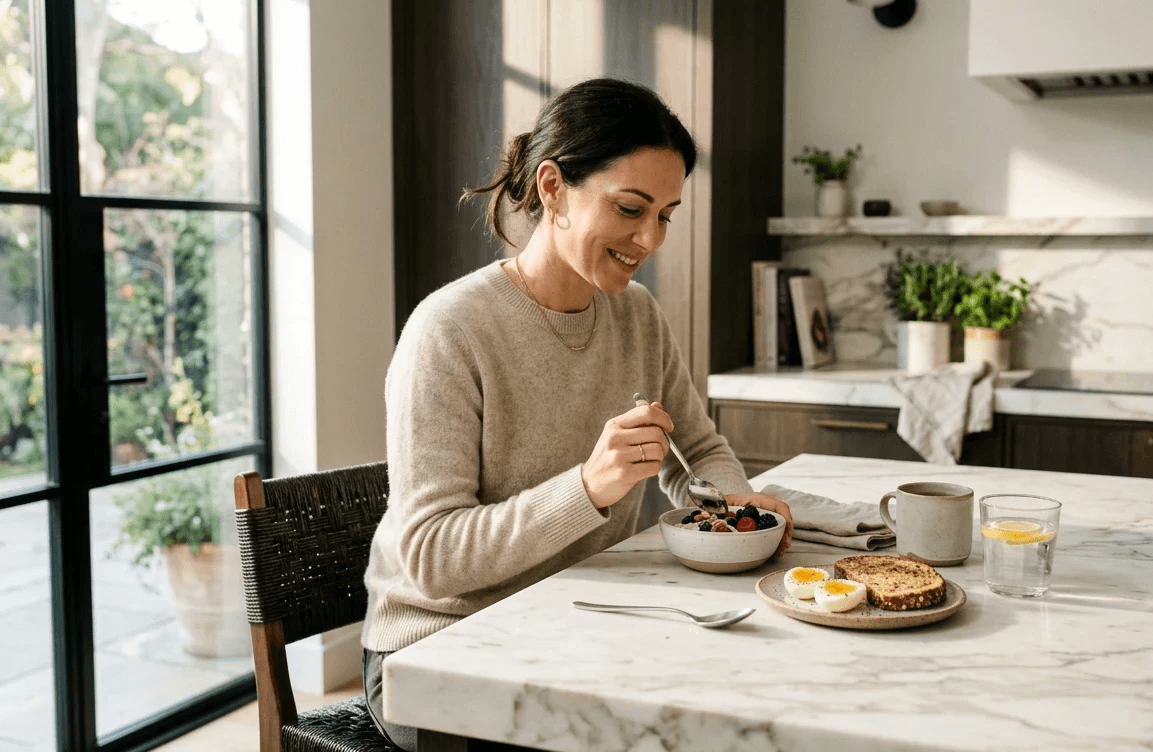
You start your GLP-1, eat half of a meal that used to feel normal, and two hours later it still feels like it is sitting there. The next day, coffee sounds fine but eggs do not. By the end of the week, appetite is down, nausea is up, and it is suddenly clear that eating well on this medication is less about willpower and more about choosing foods that match what your body can tolerate.
That is the goal with food to eat on GLP-1. Pick foods that solve problems while they nourish you. Some choices help you hold onto muscle when intake drops. Some are easier to tolerate on a queasy stomach. Others help with constipation, reflux, or the dehydrated feeling that can sneak up when you are eating and drinking less.
The pattern I recommend is simple. Prioritize protein, keep portions modest, drink regularly, and use fiber and high-water foods carefully enough that they help instead of making bloating worse. Understanding the thermic effect of food and why protein tends to keep people fuller can also make the logic behind these choices clearer.
Weight loss with GLP-1 medications is well established in clinical care, but faster weight loss and lower appetite can come with trade-offs if food quality slips. In practice, the best plan is usually a short list of repeat foods you can tolerate consistently, not a long list of ideal foods you are too nauseated to eat. If constipation is already becoming an issue, this guide pairs well with practical advice on managing GLP-1 medication constipation.
1. Lean Proteins
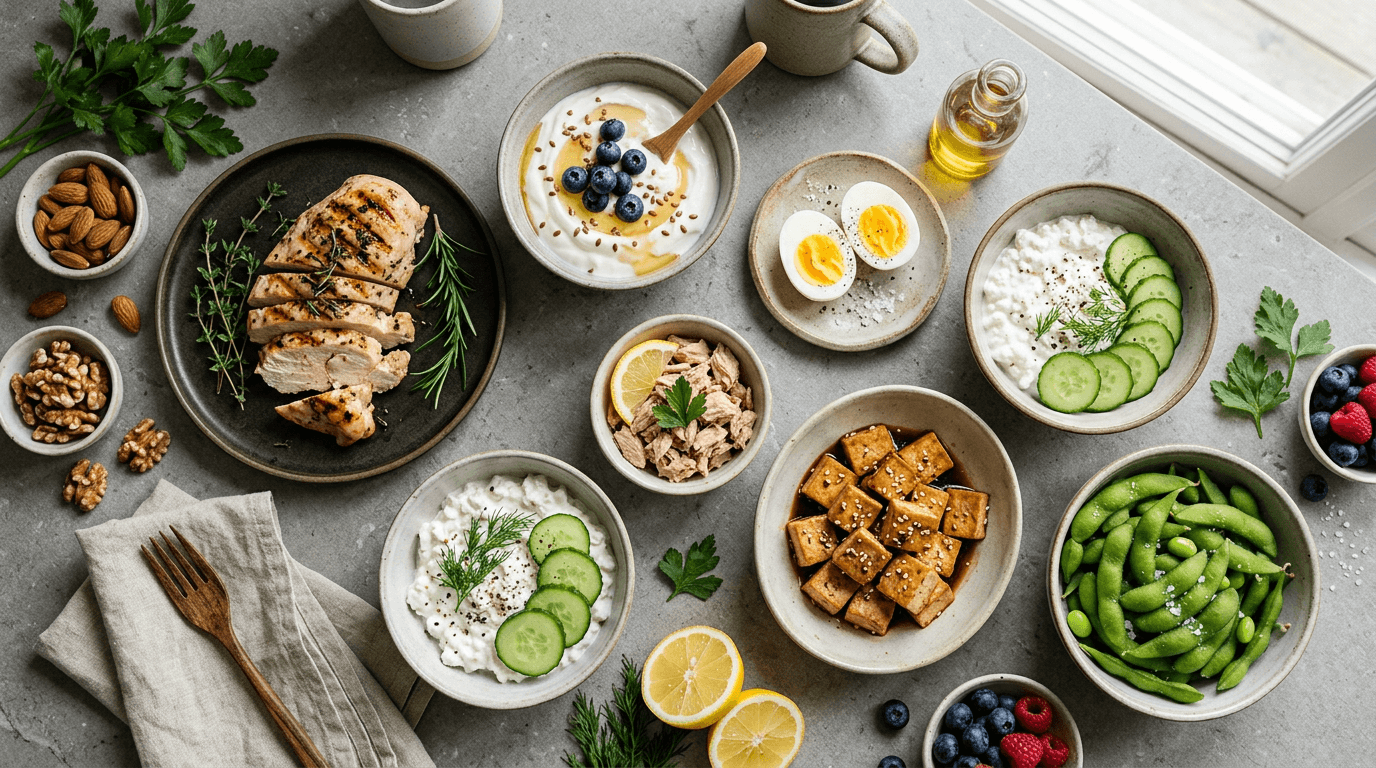
Dinner is on the table, but a few bites in you already feel full. That is exactly when lean protein earns its place. On GLP-1 medications, appetite often drops before your protein needs do, and protein is usually the hardest nutrient to catch up on later.
Protein helps protect muscle during weight loss and gives you more nutrition in a smaller portion. For many patients, that makes it one of the most practical tools for two common GLP-1 problems at once. Low appetite and unintentional under-eating.
A small serving is often enough. Chicken breast, turkey, tuna, cod, eggs, Greek yogurt, cottage cheese, tofu, or edamame can fit into a meal without creating the heavy, overly full feeling that larger mixed dishes sometimes cause.
Match the protein to the symptom
Your best protein choice depends on what your stomach is tolerating that day.
For low appetite: Choose concentrated options like Greek yogurt, cottage cheese, eggs, tuna, or shredded chicken.
For nausea: Cold or room-temperature proteins often go down better than hot meat. Try plain yogurt, chilled turkey, or a simple protein smoothie.
For early fullness: Start with a few bites of protein first rather than saving it for the end of the meal.
For muscle preservation during weight loss: Include protein regularly across the day instead of trying to fit it all into dinner.
I see one pattern repeatedly in practice. People skip breakfast, pick at lunch, then try to make up for it with a large evening meal. On GLP-1 therapy, that usually feels uncomfortable and still leaves protein intake short.
Preparation matters too. Baked, poached, grilled, or steamed proteins are usually tolerated better than fried or greasy options. If meat feels dry or hard to finish, add moisture with broth, salsa, or plain yogurt. If you are also working on digestion overall, these gut health strategies that support weight loss can make higher-protein meals easier to tolerate.
Lean protein options that tend to work well
Chicken or turkey: Mild flavor, easy to portion, easy to reheat.
Fish: White fish and tuna are often lighter than fattier cuts of meat.
Eggs or egg whites: Soft texture can be easier on a queasy stomach.
Greek yogurt and cottage cheese: Useful when chewing a full meal feels like too much work.
Tofu, tempeh, or edamame: Good alternatives if meat is unappealing.
The goal is not a perfect high-protein meal every time. The goal is to keep choosing protein in forms you can tolerate, even if the portion is modest.
2. Non-Starchy Vegetables

Vegetables still belong on your plate, but the way you eat them matters more on GLP-1 therapy. The best move is usually to start with softer, easier-to-digest non-starchy vegetables instead of forcing down huge raw salads when your stomach already feels slow.
Think cooked zucchini, spinach, peeled cucumber, green beans, tomatoes, carrots, or roasted bell peppers. These choices bring vitamins, minerals, and fiber without the heaviness that can come from greasy restaurant sides or oversized grain bowls.
Match the vegetable to the symptom
If constipation is creeping in, vegetables can help, but only if fluids come with them. If bloating is your main issue, raw cruciferous vegetables may feel rough at first. Broccoli, cauliflower, Brussels sprouts, and large servings of kale are nutritious, but they're not always the best first choice during dose increases.
That's where a symptom-solution approach matters more than a “healthy foods only” mentality.
For nausea: Try cooked spinach, peeled zucchini, or tomato soup.
For constipation: Add vegetables consistently and increase fluids alongside them.
For bloating: Start with smaller portions of cooked vegetables before trying raw or highly fibrous options.
For low appetite: Use vegetables as part of a small plate, not the largest item on it.
A plate of baked chicken, soft green beans, and a few bites of sweet potato usually lands better than a giant chopped salad with creamy dressing. If digestion feels fragile, gentler preparation often matters more than the specific vegetable itself. More broadly, better food tolerance often improves when people also work on gut health for weight loss through meal consistency and lower-trigger choices.
Some “healthy” vegetables are only healthy for you if you can tolerate them consistently.
The Cleveland Clinic notes that tolerance is individual, and some high-fiber or gas-producing foods can worsen GI symptoms on GLP-1s, especially during dose escalation, including foods like beans, cruciferous vegetables, and certain starchy produce.
3. Healthy Fats in Moderation
Healthy fats still matter on GLP-1s, but they're the category I ask people to handle carefully at first. The issue isn't whether avocado, nuts, olive oil, or salmon are “good.” The issue is that fat slows stomach emptying and can make an already slowed digestive system feel even slower.
That's why I prefer moderate portions, especially if someone is dealing with nausea, sulfur burps, reflux, or that heavy feeling after meals. A drizzle of olive oil, a few slices of avocado, or a small portion of nuts often works. A rich takeout meal, creamy sauce, or fried appetizer often doesn't.
Use fats strategically
Healthy fats are most useful when they support a meal instead of dominating it. Add a little avocado to eggs. Toss roasted vegetables with a small amount of olive oil. Choose salmon for dinner, then keep the rest of the plate simple.
Here's where people often get tripped up:
Works well: A turkey wrap with a thin smear of hummus.
Often backfires: A “healthy” smoothie loaded with nut butter, coconut milk, and seeds.
Works well: Greek yogurt with a few chopped walnuts.
Often backfires: Salad drowning in vinaigrette plus cheese plus fried protein.
A lot of GLP-1 side effects are really meal-composition problems. The food itself may be nutritious, but the portion and fat load are just too much for your current tolerance.
When nausea shows up, I usually simplify the plate first. Lean protein, gentle carbs, cooked produce, then only a small amount of added fat.
This is also why “healthy” snack foods can be misleading. Trail mix, peanut butter by the spoonful, and handfuls of nuts can feel small, but they often sit heavily. Start lower, then build up if your body handles it well.
4. Whole Grains and Complex Carbohydrates
You wake up a little queasy, coffee sounds terrible, and a heavy breakfast is out of the question. This is the point where the right carbohydrate can steady the day instead of making symptoms worse.
On GLP-1 medications, whole grains and other complex carbohydrates often do two jobs at once. They give you usable energy when appetite is low, and they can be easier to tolerate than richer foods during waves of nausea. The best choices are usually plain, soft, and portioned modestly.
Best carbs for steadier digestion
Start with foods that are gentle enough to eat even when your stomach feels unsettled, then build variety as symptoms calm down. Oatmeal, sweet potatoes, brown rice, quinoa, whole grain toast, beans, and lentils can all fit. Tolerance matters more than picking the "perfect" carb on paper.
A common pattern is this: softer carbs work better early, while denser, higher-fiber options are easier later in the day or once side effects ease.
Foods that usually work well include:
Oatmeal: Mild, warm, and often easier to finish than eggs or meat first thing in the morning.
Sweet potato: Soft texture and steady energy when you need something bland but more filling than crackers.
Brown rice or quinoa: Useful as a base for a small meal with lean protein.
Whole grain toast: A practical option for light breakfasts or mild nausea.
Beans and lentils: Nutritious and satisfying, but often better in small portions at first.
This is also where texture matters. Dry, coarse, or very bulky high-fiber foods can feel like too much on a low-appetite day. Cooked grains, softer starches, and simple combinations usually sit better than giant grain bowls packed with raw vegetables and heavy toppings.
Refined carbs can backfire for a different reason. Pastries, soda, sweet coffee drinks, and snack foods may go down easily, but they tend to give short-lived relief and poor staying power. A meal with oatmeal or toast usually supports steadier intake than grabbing sugary foods whenever your stomach finally allows a few bites. If nausea is part of the problem, pairing a bland carb with one of these appetite-suppressing teas that may feel easier on your stomach can be a more practical starting point than forcing a full meal.
The trade-off to respect
Higher-fiber carbs are helpful, but they are not always the best choice during a symptom flare. Beans, lentils, and hearty whole grains can worsen bloating, pressure, or fullness if you increase them too fast or eat too much at once. In practice, I usually see better tolerance with half portions, softer preparation, and gradual increases.
If chili or a large lentil bowl leaves you uncomfortable, that does not mean these foods are off-limits. It usually means your current dose, appetite, or digestion calls for a gentler version first.
5. Sugar-Free and Low-Calorie Beverages
You wake up a little queasy, coffee sounds harsh, breakfast is going nowhere, and by noon you have a headache. On GLP-1s, that pattern often starts with fluids.
Low intake does not just mean less food. It often means less drinking, especially when nausea, early fullness, or a changed taste for plain water gets in the way. Then constipation gets worse, headaches show up, and even protein foods can feel heavier on the stomach. For many patients, beverages become part of symptom management before they become a nutrition topic.
Plain water is still the best default, but tolerance matters more than perfection. If cold water sloshes in your stomach, try room-temperature water. If bubbles increase pressure or burping, skip carbonation for now. If large glasses feel impossible, use small, frequent sips through the day instead of trying to catch up all at once.
Options that tend to work well include:
Still water: Often easiest to tolerate if you sip steadily.
Unsweetened herbal tea: Ginger or peppermint may feel gentler during nausea for some people.
Diluted electrolyte drinks: Useful on days when intake has been low and you need something easier to sip.
Broth or light soup broth: A practical choice when solids sound unappealing.
Fruit-infused water: Helpful if plain water tastes flat or metallic.
I also tell people to watch the trade-off with caffeine. Appetite suppression can make it easy to drift into coffee, diet soda, or energy drinks instead of meals. That may feel manageable for a few hours, but it often worsens jitters, reflux, nausea, or an underfed feeling later in the day. If you want something caffeinated, pair it with at least a small food item when you can, and be selective about products like sugar-free energy drinks Australia.
Tea can fit here too, especially if warm fluids sit better than food first thing in the morning. If you are considering it for appetite changes or stomach comfort, this guide to tea that suppresses your appetite can help you choose more carefully.
Small, frequent sips usually work better than waiting until dehydration is obvious.
6. Low-Fat Dairy and Protein Alternatives
It is 8 a.m., your dose went up yesterday, and the idea of eggs or chicken is enough to turn your stomach. This is the kind of morning when low-fat dairy or a well-chosen protein alternative can keep you from skipping protein altogether.
These foods work well on GLP-1s because they solve two problems at once. They deliver protein in a small volume, and they are often easier to tolerate when chewing feels like work or nausea is hovering in the background. That matters if you are trying to protect muscle, steady energy, and keep intake from dropping too low.
Greek yogurt, cottage cheese, kefir, low-fat milk, soy milk, soy yogurt, and simple protein shakes are practical options. Some people do better with dairy. Others notice bloating, reflux, or a heavy feeling and tolerate soy better. The right choice is the one you can finish without feeling worse 20 minutes later.
I use these foods most often for three situations: breakfast on queasy mornings, a light lunch when appetite disappears, and the first couple of days after a dose increase.
Options that tend to work well include:
Plain Greek yogurt with berries or a few spoonfuls of oats
Low-fat cottage cheese with cucumber, tomato, or fruit
Kefir or a drinkable yogurt when solids are unappealing
A simple protein smoothie with milk or soy milk
Soy-based yogurt or milk if dairy is not sitting well
There is a trade-off here. Liquid calories are easier to tolerate, but they also go down fast and may not keep you full for long. Thicker choices such as Greek yogurt or cottage cheese usually give you more staying power than a sweetened drink. If you are using a protein shake, keep it simple and avoid turning it into a large, high-fat smoothie that sits heavily in the stomach.
This category can also help with the "nothing sounds good" problem that shows up on GLP-1s. A cold yogurt cup or a few sips of kefir often feels more manageable than reheated leftovers or takeout. If you need ideas for small add-ons that pair well with these foods, this list of healthy snacks for weight loss can help you build something balanced without making it too large.
Shopping patterns reflect that shift toward easier, nutrient-dense foods. Purdue reported Cornell-linked research showing households with at least one GLP-1 user changed how they buy food, with less overall grocery spending and relatively stronger purchase signals for foods like yogurt and fresh produce than for heavier, less nutrient-dense items.
One caution. Do not let caffeinated drinks replace these easy protein options. That pattern can worsen under-eating, jitters, or reflux, especially on low-appetite days. If caffeine is part of your routine, compare products like sugar-free energy drinks Australia carefully and treat them as beverages, not nutrition.
7. Portion-Controlled Healthy Snacks
By midafternoon, a full meal may sound unappealing, but going too long without eating can backfire. I see this often on GLP-1s. Someone skips lunch because appetite is low, then hits a wall later with fatigue, shakiness, reflux, or a sudden urge to eat whatever is easiest.
Small snacks help when they solve a symptom, not when they turn into all-day grazing. The goal is a modest portion that gives you protein, steadier energy, and enough structure to prevent under-eating.
Best for low appetite, fatigue, and late-day overeating
A useful GLP-1 snack is usually easy to finish in a few bites and easy to stop after one portion. Protein matters most here because it supports muscle maintenance while helping the snack feel satisfying. A little fiber or produce can help too, as long as it does not worsen bloating or nausea for you.
Good options include:
Hard-boiled eggs
String cheese
Single-serve Greek yogurt
Turkey roll-ups
Edamame
A small portion of nuts with fruit
Jerky with water
The common problem foods are the ones that go down fast and keep your hand in the bag. Crackers, chips, popcorn, cereal, and granola can seem harmless, but they often crowd out protein and are easy to overeat before fullness catches up.
If you can only manage a few bites, make those bites count.
In practice, snacks work best when they are pre-portioned before hunger shows up. One yogurt cup, one cheese stick, one egg, or a measured serving of nuts is usually easier to tolerate than staring down a large snack board or eating straight from the package. That matters on GLP-1s because fullness can arrive quickly, and one or two extra handfuls may be the difference between feeling fine and feeling nauseated.
If you want simple ideas you can portion ahead, this roundup of healthy snacks for weight loss fits the same practical, low-fuss approach.
8. Hydrating Foods and High-Water-Content Vegetables
Some days, fluids are easier to eat than drink. That's where hydrating foods become unusually useful on GLP-1 therapy.
Cucumber, tomatoes, melon, strawberries, lettuce, celery, zucchini, broth-based soups, and fruit with high water content can make a real difference when dry foods feel unappealing. These foods won't replace your water intake, but they can support it while also making meals feel lighter.
Best for nausea, constipation, and “nothing sounds good”
Hydrating foods shine when symptoms stack up. If you're mildly nauseated, dry-mouthed, and not very hungry, a cold bowl of watermelon may go down better than a sandwich. If constipation is building, broth-based soup with cooked vegetables may land more comfortably than a heavy entree.
A few combinations I recommend often:
Cucumber and cottage cheese
Tomato soup with shredded chicken
Greek yogurt with strawberries
Watermelon with a string cheese
Zucchini soup with white beans or blended tofu
The broader trend in GLP-1 use reinforces why this matters. Fair Health reported that the share of overweight or obese adults prescribed a GLP-1 for weight loss rose from 0.3% in 2019 to 2.05% in 2024, a 587% increase. As more people use these medications, nutrition advice has to fit the reality of reduced appetite and GI side effects, not just ideal meal plans.
The mistake to avoid
Don't build a plate that is all “light” foods and no substance. Cucumbers, berries, and soup are helpful, but they work best when paired with protein. Hydrating foods are support foods. They reduce friction. They don't replace the need for enough nourishment.
Foods to Eat on GLP-1: 8-Item Comparison
Item | Implementation Complexity | Resource Requirements | Expected Outcomes | Ideal Use Cases | Key Advantages |
|---|---|---|---|---|---|
Lean Proteins | Moderate, requires cooking and portioning | Moderate, fresh/frozen proteins, refrigeration, prep time | Preserves lean mass; increases satiety; helps glycemic stability | Main meals during GLP‑1 weight loss; when appetite is reduced | High protein density; supports metabolism and muscle retention |
Non-Starchy Vegetables | Low, minimal cooking or raw prep | Low, frequent supply of fresh or frozen produce | Low calorie intake with high volume; improved micronutrient and fiber intake | Base of meals to increase volume and satiety | Very low caloric density; high fiber and nutrient content |
Healthy Fats in Moderation | Low to moderate, portion control essential | Moderate, sources like olive oil, nuts, fatty fish; portion tools | Improved nutrient absorption; anti‑inflammatory and cardiovascular benefits; risk of caloric excess if unmeasured | When needing fat‑soluble vitamin absorption, omega‑3 intake, or satiety enhancement | Supports hormones and vitamin uptake; nutrient‑dense satisfaction |
Whole Grains & Complex Carbs | Moderate, cooking and measured portions | Low to moderate, pantry staples and cooking time | Sustained energy; increased fiber; improved glycemic response vs refined carbs | Meals requiring sustained energy or post‑exercise feeding | Provides fiber, B vitamins, and prolonged satiety |
Sugar‑Free & Low‑Calorie Beverages | Low, minimal preparation | Low, water, tea, sugar‑free options; occasional electrolyte drinks | Maintains hydration without added calories; prevents glucose spikes | Hydration, nausea management, and reducing liquid calories on GLP‑1 | Zero/minimal calories; supports hydration and electrolyte balance |
Low‑Fat Dairy & Protein Alternatives | Low, ready‑to‑eat or minimal prep | Moderate, refrigerated items or plant‑based alternatives | Provides protein and calcium; supports bone health and satiety | Portable protein source; bone‑health support during weight loss | Complete protein options; calcium and often vitamin D fortified |
Portion‑Controlled Healthy Snacks | Low, pre‑portioning required | Moderate, single‑serve items or prep containers | Prevents energy dips; reduces overeating when truly needed | Between meals if hungry; travel or structured programs | Convenience and predictable calories; combines protein and fiber |
Hydrating & High‑Water‑Content Foods | Low, simple prep, often raw | Low, fresh produce, seasonal availability | Adds meal volume and hydration with minimal calories; gentle on digestion | Managing nausea, early satiety, or constipation on GLP‑1 | High volume per calorie; supports hydration and electrolyte intake |
From Plan to Plate: Your Next Steps to a Healthier You
The best food to eat on GLP-1 is the food you can tolerate consistently while still meeting your nutrition needs. That may sound simple, but it's a major mindset shift. Success on these medications rarely comes from eating perfectly. It comes from eating strategically.
Start with the basics that matter most. Make protein your first priority. Build around small meals instead of trying to force normal portions. Use fluids and hydrating foods on purpose. Add fiber carefully, not aggressively. If a food makes symptoms worse, step back and adjust the preparation, portion, or timing before deciding it's off the list for good.
This is also where self-compassion matters. Many people feel frustrated when they can't eat the way they used to, or when “healthy” foods suddenly feel harder to tolerate than expected. That doesn't mean you're failing. It means your body is responding to a medication that changes appetite and digestion, and your eating pattern needs to change with it.
A practical starting plan looks like this: choose one reliable breakfast, one reliable lunch, two to three easy protein options, and a few backup foods for rough days. For some people, that means Greek yogurt, eggs, chicken, soup, oatmeal, berries, and cucumbers. For others, it means cottage cheese, a smoothie, rice, salmon, cooked zucchini, and broth. Keep it simple enough that you can repeat it when motivation is low.
If side effects are flaring, simplify before you restrict. Go back to gentle textures, low-fat meals, smaller portions, and steady fluids. If constipation, nausea, bloating, or poor intake keeps going, that's the point to involve your clinician rather than trying to out-supplement the problem on your own.
You also don't need to wait until things are difficult to get help. Personalized nutrition support is often the difference between “I guess I'm eating less” and “I know how to eat in a way that protects my muscle, supports my energy, and keeps this treatment sustainable.” That kind of guidance becomes even more valuable if you're balancing medication side effects, a history of dieting, diabetes, reflux, or a busy schedule that makes meal planning hard.
The goal isn't deprivation. It's a pattern you can live with. Choose foods that are gentle, protein-rich, and easy to repeat. Then build from there, one meal at a time.
If you want expert help turning these ideas into a plan that fits your prescription, symptoms, and health goals, 10 Rx Home can help. Their platform connects you with board-certified physicians for personalized treatment plans, medication management, and ongoing support, so you're not left guessing what to eat on GLP-1 or how to adjust when side effects show up.