GLP-1’s at low prices with free shipping. Get Started


" transform="translate(53.5 27.5)" width="0px"/><g d="M 164.013 0 C 206.437 0 240.828 33.597 240.828 75.04 C 240.828 116.484 206.437 150.08 164.013 150.08 C 121.589 150.08 87.198 116.484 87.198 75.04 C 87.198 33.597 121.589 0 164.013 0 Z M 164.52 30.422 C 140.298 30.422 120.662 50.398 120.662 75.04 C 120.662 99.682 140.298 119.659 164.52 119.659 C 188.742 119.659 208.377 99.682 208.377 75.04 C 208.377 50.398 188.742 30.422 164.52 30.422 Z M 49.689 117.004 L 49.724 117.026 C 50.148 121.056 54.397 124.222 59.576 124.222 C 60.05 124.222 60.516 124.195 60.973 124.143 L 61.097 124.222 L 83.406 120.926 C 83.406 120.926 73.956 127.316 67.688 131.067 C 60.617 135.299 49.689 141.207 49.689 141.207 C 49.689 141.207 39.295 147.961 27.633 149.827 C 27.576 149.836 27.52 149.844 27.463 149.853 C 26.591 150.023 25.702 150.098 24.814 150.077 C 24.739 150.079 24.665 150.08 24.591 150.08 L 24.577 150.069 C 19.359 149.854 15.211 146.423 15.211 142.221 L 15.211 29.154 C 15.211 28.755 15.022 28.379 14.702 28.139 C 14.383 27.9 13.968 27.826 13.585 27.939 L 0 29.915 L 35.746 8.366 L 49.689 0 Z M 260.136 98.048 C 260.234 98.048 260.33 98.052 260.427 98.058 L 287.219 98.517 L 287.219 98.612 C 295.722 98.712 302.586 105.638 302.586 114.166 C 302.586 121.454 297.574 127.571 290.811 129.259 L 304.648 146.964 L 304.644 146.964 C 304.889 147.252 305.023 147.617 305.023 147.995 C 305.023 148.839 304.365 149.536 303.523 149.585 L 303.523 149.588 L 291.341 149.588 L 291.341 149.582 C 289.373 149.504 287.613 148.618 286.384 147.245 L 286.374 147.245 L 286.328 147.182 C 286.064 146.88 285.827 146.557 285.619 146.215 L 273.443 129.628 L 273.463 129.625 C 272.779 128.705 272.41 127.589 272.412 126.442 C 272.412 123.684 274.502 121.414 277.187 121.13 L 277.191 121.101 L 281.783 120.351 L 281.783 120.348 C 285.214 120.264 287.968 117.864 287.968 114.916 C 287.968 111.968 285.214 109.568 281.783 109.483 L 281.783 109.481 L 270.538 109.481 L 270.538 146.777 L 270.536 146.777 C 270.538 146.808 270.538 146.839 270.538 146.871 C 270.538 148.34 269.371 149.537 267.913 149.586 L 267.913 149.588 L 258.168 149.588 L 258.168 149.573 C 256.799 149.433 255.731 148.277 255.731 146.871 C 255.731 146.839 255.733 146.808 255.733 146.777 L 255.731 146.777 L 255.731 102.359 L 255.733 102.359 C 255.781 100.064 257.585 98.201 259.856 98.058 L 259.856 98.048 L 259.998 98.051 C 260.044 98.049 260.09 98.048 260.136 98.048 Z M 324.515 110.615 C 326.064 110.719 327.396 111.676 328.101 113.049 L 332.884 119.45 L 338.302 112.809 C 339.033 111.565 340.298 110.713 341.756 110.615 L 341.756 110.605 L 352.44 110.605 C 353.577 110.605 354.5 111.528 354.5 112.667 C 354.5 113.003 354.42 113.321 354.276 113.601 L 354.314 113.604 L 354.176 113.776 C 354.1 113.896 354.011 114.008 353.912 114.109 L 342.693 128.222 C 342.693 128.222 342.413 128.627 342.413 128.972 C 342.413 129.318 342.693 129.722 342.693 129.722 L 355.241 146.116 C 355.722 146.507 356 147.094 356 147.714 C 356 148.852 355.077 149.775 353.938 149.775 C 353.876 149.775 353.814 149.772 353.751 149.766 L 353.751 149.775 L 341.756 149.775 L 341.756 149.749 C 340.252 149.58 338.973 148.605 338.31 147.237 L 333.228 140.405 C 333.228 140.405 333.042 140.217 332.76 140.217 C 332.48 140.217 332.291 140.405 332.291 140.405 L 332.289 140.402 L 327.078 147.492 C 326.891 147.825 326.664 148.134 326.401 148.411 L 326.295 148.557 L 326.263 148.553 C 325.588 149.207 324.723 149.641 323.764 149.749 L 323.764 149.775 L 312.331 149.775 C 311.194 149.775 310.271 148.852 310.271 147.714 C 310.271 147.02 310.613 146.407 311.138 146.033 L 323.015 130.659 C 323.015 130.659 323.295 130.255 323.295 129.909 C 323.295 129.564 323.015 129.16 323.015 129.16 L 311.458 114.146 C 311.058 113.758 310.833 113.224 310.833 112.667 C 310.833 111.528 311.756 110.605 312.894 110.605 L 324.515 110.605 Z" fill="transparent" height="150.08043079668755px" id="HpkDSJwpk" transform="translate(0 1)" width="356.0000118682049px"><path d="M 76.815 0 C 119.239 0 153.63 33.597 153.63 75.04 C 153.63 116.484 119.239 150.08 76.815 150.08 C 34.391 150.08 0 116.484 0 75.04 C 0 33.597 34.391 0 76.815 0 Z M 77.322 30.422 C 53.1 30.422 33.464 50.398 33.464 75.04 C 33.464 99.682 53.1 119.659 77.322 119.659 C 101.544 119.659 121.179 99.682 121.179 75.04 C 121.179 50.398 101.544 30.422 77.322 30.422 Z" fill="rgb(8, 9, 35)" height="150.08043079668755px" id="kvrqFybmK" transform="translate(87.198 0)" width="153.62981889920286px"/><path d="M 49.689 117.004 L 49.724 117.026 C 50.148 121.056 54.397 124.222 59.576 124.222 C 60.05 124.222 60.516 124.195 60.973 124.143 L 61.097 124.222 L 83.406 120.926 C 83.406 120.926 73.956 127.316 67.688 131.067 C 60.617 135.299 49.689 141.207 49.689 141.207 C 49.689 141.207 39.295 147.961 27.633 149.827 C 27.576 149.836 27.52 149.844 27.463 149.853 C 26.591 150.023 25.702 150.098 24.814 150.077 C 24.739 150.079 24.665 150.08 24.591 150.08 L 24.577 150.069 C 19.359 149.854 15.211 146.423 15.211 142.221 L 15.211 29.154 C 15.211 28.755 15.022 28.379 14.702 28.139 C 14.383 27.9 13.968 27.826 13.585 27.939 L 0 29.915 L 35.746 8.366 L 49.689 0 Z M 260.136 98.048 C 260.234 98.048 260.33 98.052 260.427 98.058 L 287.219 98.517 L 287.219 98.612 C 295.722 98.712 302.586 105.638 302.586 114.166 C 302.586 121.454 297.574 127.571 290.811 129.259 L 304.648 146.964 L 304.644 146.964 C 304.889 147.252 305.023 147.617 305.023 147.995 C 305.023 148.839 304.365 149.536 303.523 149.585 L 303.523 149.588 L 291.341 149.588 L 291.341 149.582 C 289.373 149.504 287.613 148.618 286.384 147.245 L 286.374 147.245 L 286.328 147.182 C 286.064 146.88 285.827 146.557 285.619 146.215 L 273.443 129.628 L 273.463 129.625 C 272.779 128.705 272.41 127.589 272.412 126.442 C 272.412 123.684 274.502 121.414 277.187 121.13 L 277.191 121.101 L 281.783 120.351 L 281.783 120.348 C 285.214 120.264 287.968 117.864 287.968 114.916 C 287.968 111.968 285.214 109.568 281.783 109.483 L 281.783 109.481 L 270.538 109.481 L 270.538 146.777 L 270.536 146.777 C 270.538 146.808 270.538 146.839 270.538 146.871 C 270.538 148.34 269.371 149.537 267.913 149.586 L 267.913 149.588 L 258.168 149.588 L 258.168 149.573 C 256.799 149.433 255.731 148.277 255.731 146.871 C 255.731 146.839 255.733 146.808 255.733 146.777 L 255.731 146.777 L 255.731 102.359 L 255.733 102.359 C 255.781 100.064 257.585 98.201 259.856 98.058 L 259.856 98.048 L 259.998 98.051 C 260.044 98.049 260.09 98.048 260.136 98.048 Z M 324.515 110.615 C 326.064 110.719 327.396 111.676 328.101 113.049 L 332.884 119.45 L 338.302 112.809 C 339.033 111.565 340.298 110.713 341.756 110.615 L 341.756 110.605 L 352.44 110.605 C 353.577 110.605 354.5 111.528 354.5 112.667 C 354.5 113.003 354.42 113.321 354.276 113.601 L 354.314 113.604 L 354.176 113.776 C 354.1 113.896 354.011 114.008 353.912 114.109 L 342.693 128.222 C 342.693 128.222 342.413 128.627 342.413 128.972 C 342.413 129.318 342.693 129.722 342.693 129.722 L 355.241 146.116 C 355.722 146.507 356 147.094 356 147.714 C 356 148.852 355.077 149.775 353.938 149.775 C 353.876 149.775 353.814 149.772 353.751 149.766 L 353.751 149.775 L 341.756 149.775 L 341.756 149.749 C 340.252 149.58 338.973 148.605 338.31 147.237 L 333.228 140.405 C 333.228 140.405 333.042 140.217 332.76 140.217 C 332.48 140.217 332.291 140.405 332.291 140.405 L 332.289 140.402 L 327.078 147.492 C 326.891 147.825 326.664 148.134 326.401 148.411 L 326.295 148.557 L 326.263 148.553 C 325.588 149.207 324.723 149.641 323.764 149.749 L 323.764 149.775 L 312.331 149.775 C 311.194 149.775 310.271 148.852 310.271 147.714 C 310.271 147.02 310.613 146.407 311.138 146.033 L 323.015 130.659 C 323.015 130.659 323.295 130.255 323.295 129.909 C 323.295 129.564 323.015 129.16 323.015 129.16 L 311.458 114.146 C 311.058 113.758 310.833 113.224 310.833 112.667 C 310.833 111.528 311.756 110.605 312.894 110.605 L 324.515 110.605 Z" fill="rgb(8, 9, 35)" height="150.08043079668755px" id="kdERGws7a" width="356.0000118682049px"/></g></svg>)
Tea That Suppresses Your Appetite: The Best Teas for
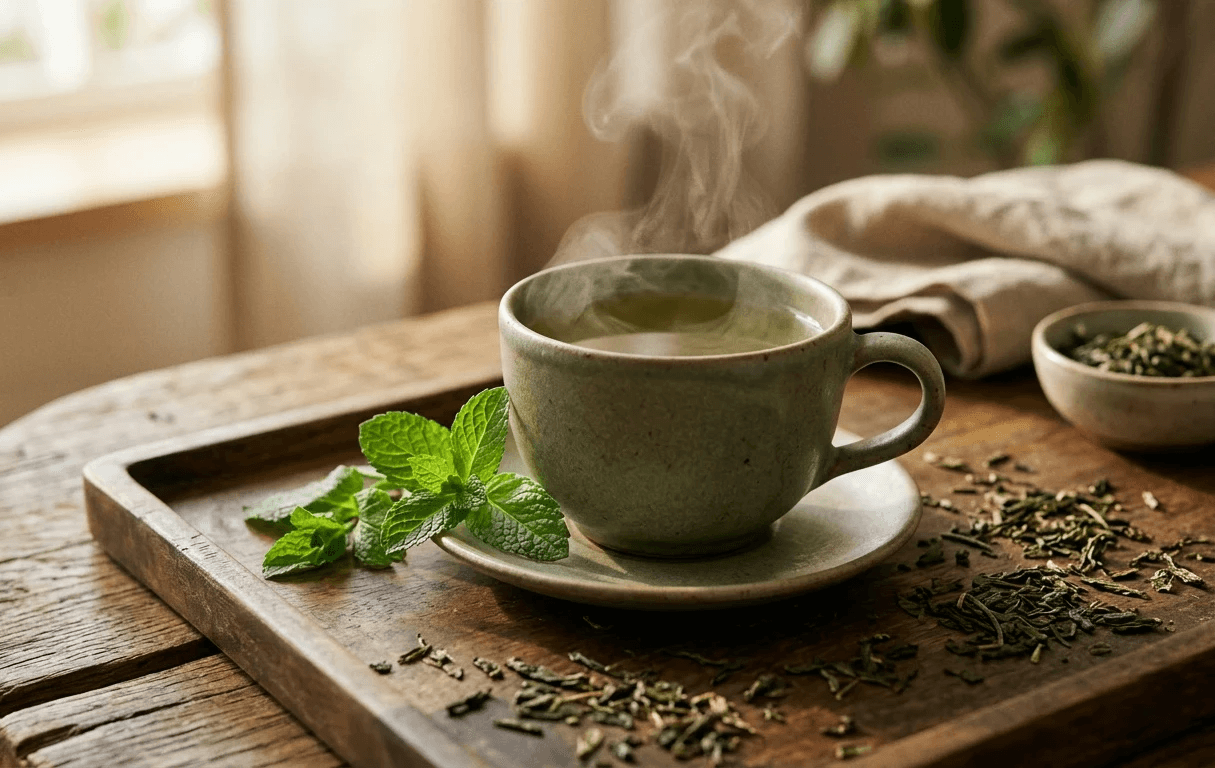
Tea can play a small but helpful role in appetite control, especially when used as part of a bigger wellness routine. As explained in , options like green tea may gently support hunger management through compounds like EGCG and caffeine, while herbal teas like peppermint can help interrupt stress snacking through routine and mindfulness. The key is viewing tea as a supportive habit — not a magic fix — alongside balanced meals, movement, sleep, and long-term lifestyle changes.
Discover the truth about tea that suppresses your appetite. Learn which teas work, their science, and how to use them safely in your 2026 weight plan.
Tea That Suppresses Your Appetite: The Best Teas for
If you've been searching for tea that suppresses your appetite, you've probably seen bold promises. Drink this blend. Melt fat. Stop cravings instantly. That advice is popular because it's comforting, not because it's accurate.
A better question is this: can tea play a small, useful role in appetite control when you're already trying to take care of your body? The honest answer is yes. But “small” matters. Tea can support your routine. It usually won't overpower biology, poor sleep, high stress, emotional eating, or a medical condition that makes weight loss harder than it should be.
That realistic view is beneficial. Once you stop expecting a miracle from a mug, you can use tea in a smarter way: as a low-calorie ritual, a replacement for sugary drinks, and a gentle nudge that may help some people feel a little more in control between meals.
Rethinking Your Cup a Realistic Look at Appetite-Suppressing Tea
The most common advice about appetite-suppressing tea is also the least helpful. It treats tea like a natural version of a prescription appetite suppressant. That's not what the evidence shows.
A 2021 Cochrane review found that green tea preparations produced only a small, statistically non-significant weight loss in overweight or obese adults, and the change wasn't considered clinically important. The review also found no meaningful benefit for weight-loss maintenance, which is why tea shouldn't be framed as a stand-alone solution for weight loss or appetite control (Cochrane review on green tea preparations).
That doesn't make tea useless. It makes tea honest.
Many people aren't looking for magic. They're looking for something simple that fits into real life. A warm cup in the afternoon instead of a snack spiral. A replacement for a sweet coffee drink. A calming pause before stress turns into grazing. If you want a grounded overview of the science behind weight loss teas, that kind of evidence-first framing is much more helpful than miracle language.
What tea can do
Tea may help in subtle ways:
Support a routine: A regular tea habit can create structure around meals and snacks.
Replace higher-calorie drinks: Swapping sweet beverages for unsweetened tea can reduce excess intake.
Offer mild appetite support: Some teas, especially green tea, contain compounds that may gently influence hunger and energy balance.
What tea can't do
Tea won't reliably do the jobs people often assign to it:
It won't erase overeating
It won't overcome chronic sleep loss
It won't fix hormone-related or medication-related weight gain
It won't produce dramatic results on its own
Bottom line: Think of tea as a supportive habit, not a rescue plan.
This mindset protects you from two extremes. One is hype. The other is discouragement. If your tea helps you pause, hydrate, and slightly reduce the urge to snack, that counts. It just belongs inside a bigger plan.
How Tea Gently Nudges Your Hunger Signals
Tea doesn't “shut off” appetite the way marketing suggests. A better mental model is that tea's active compounds whisper to your hunger system rather than shout at it.
The two main players are catechins, especially EGCG, and caffeine. In green tea, they appear to work together. Caffeine can suppress appetite for some people and support fat oxidation. EGCG may help with metabolic rate and fat storage. But the effect is usually mild and gradual, not a dramatic meal-skipping sensation.
A practical point gets lost in most wellness content. Green tea's effect becomes more measurable when people consume about 100 to 460 mg of EGCG and 80 to 300 mg of caffeine daily for at least 12 weeks, according to a review summarized by Healthline's guide to natural appetite suppressants. That tells you two things. First, this is dose-dependent. Second, it's cumulative, not instant.

What's happening in your body
Think of the effects in layers rather than one dramatic switch.
Chemical layer: Green tea delivers catechins and caffeine.
Metabolic layer: Those compounds may slightly increase thermogenesis and energy use.
Appetite layer: Some people notice less hunger between meals, especially when they usually reach for food out of fatigue.
Behavior layer: Drinking tea can interrupt automatic snacking.
That last layer matters more than many people realize. A warm drink slows you down. It gives your brain a moment to ask, “Am I physically hungry, or am I stressed, bored, or tired?” If you're working on that skill, this guide to mindful eating for well-being can help you connect tea with a calmer eating pattern instead of using it as a restriction tool.
Why tea works better as a ritual than a hack
Tea is often most useful when it supports habits that already move you in a healthy direction. For example, if afternoon cravings hit hard, tea can become a bridge between lunch and dinner. If digestive comfort affects how often you snack, broader routines like improving gut health for weight loss may do more for appetite stability than tea alone.
Tea helps most when it replaces a reflex, not when it's expected to overpower hunger.
That's why some people swear by it and others feel nothing. The body effect is modest. The routine effect can still be meaningful.
Your Guide to Teas That May Help Curb Cravings
Not all teas belong in the same conversation. Some have at least a plausible case for appetite support. Others are better understood as comforting, sensory tools that may reduce the urge to snack primarily by creating a pause.
The strongest evidence in this category still points to green tea. A GoodRx review notes that some studies found green tea drinkers lost about 2 to 4 pounds more than a placebo group over 10 weeks, while also emphasizing that the evidence is modest and that tea works better as a supportive habit than a primary driver of weight loss (GoodRx review of teas for weight loss).
Comparing Teas for Appetite Management
Tea Type | Primary Active Compounds | Potential Mechanism | Caffeine Level |
|---|---|---|---|
Green tea | Catechins, especially EGCG, plus caffeine | May gently support satiety and energy balance | Moderate |
Oolong tea | Tea polyphenols, some caffeine | May support metabolism and help replace snack-driven beverage habits | Moderate |
Peppermint tea | Aromatic compounds, no catechin-caffeine combo like green tea | May feel soothing and help some people manage cravings through ritual and flavor | Caffeine-free |
Black tea | Caffeine and tea polyphenols | May help some people with alertness-related snacking | Higher than green tea, generally lower than coffee |
Green tea first, for a reason
If your goal is to try tea that suppresses your appetite in the most evidence-aligned way, start with green tea. It's the best-studied option, and its combination of catechins and caffeine is what most research focuses on.
Flavor matters too. If you dislike green tea and force yourself to drink it, you probably won't stick with it. If you want help sorting through forms, brewing styles, and supplement questions, VitzAi's ultimate green tea guide is a useful primer.
Oolong and black tea as realistic alternatives
Oolong and black tea may be practical options if you like a stronger flavor or want a different caffeine feel. The evidence around appetite suppression is less clear-cut than it is for green tea, but both can still be helpful in a behavior sense. An unsweetened afternoon cup is often more useful than another trip to the pantry.
Peppermint tea for the craving moment
Peppermint tea isn't in the same evidence bucket as green tea's catechins and caffeine. Still, it can earn a place in your routine. Strong flavor, warmth, and a calming effect can be enough to break the momentum of stress snacking for some people.
Try matching the tea to the specific problem you're having:
Need mild metabolic support: Start with green tea.
Need a richer taste to replace sweet drinks: Try oolong or black tea.
Need an evening craving ritual without caffeine: Choose peppermint.
Need help planning food, not just drinks: Pair your tea habit with ideas for healthy snacks for weight loss.
The best tea is the one you'll drink consistently, unsweetened, and without expecting it to do the whole job.
How to Safely Incorporate Tea Into Your Routine

Safety gets blurry fast in this category because people often lump plain tea together with commercial slimming teas. They are not the same thing.
Medical News Today notes that many marketed “slimming teas” have limited evidence behind their claims and may contain laxatives or diuretics, which is very different from the catechins and caffeine people are usually referring to when they talk about green tea and appetite support (Medical News Today on slimming teas).
Choose tea, not a gimmick blend
A simple rule helps here. If a product promises detox, flat-belly results, or dramatic cleansing, be skeptical. Those products may be relying on bowel effects or water loss, not true appetite regulation.
Safer choices usually look boring in the best way:
Plain green tea
Plain oolong tea
Plain black tea
Single-herb teas like peppermint
Timing and tolerance matter
The “best” time to drink tea depends on why you want it.
Before a usual snack window: This is often the most practical time because it may help you interrupt impulsive eating.
Earlier in the day if you're caffeine-sensitive: Green, oolong, and black tea can affect sleep.
With intention, not on an empty stomach if that bothers you: Some people get jittery or nauseated with caffeinated tea.
You don't need a complicated schedule. You need consistency and honest feedback from your body.
A few smart precautions
Some readers push through side effects because they assume natural means harmless. It doesn't.
Watch for jitters: If tea makes you anxious, shaky, or wired, the tradeoff may not be worth it.
Protect sleep: Poor sleep can make hunger regulation harder. A late cup may backfire.
Check medications and medical conditions: If you take prescriptions, are pregnant, or have a condition affected by caffeine or supplements, ask your clinician before using tea aggressively for weight control.
Be cautious with concentrated products: Extracts and high-dose preparations aren't the same as drinking a normal cup.
Practical rule: If a tea works by sending you to the bathroom, that's not appetite control. That's a red flag.
The safest integration is simple. Start with a plain tea, drink it unsweetened or lightly flavored without turning it into dessert, notice how your body responds, and stop if it creates more stress than support.
Building a Wellness Strategy Beyond the Teacup
The biggest mistake people make with tea is expecting too much from one habit. Tea works best when it reinforces other decisions that already support health.
That bigger-picture view matters because dramatic lab headlines can be misleading. In one University of Chicago rat study, EGCG injections reduced food intake and body weight sharply, but oral EGCG, which is much closer to how humans actually drink tea, was ineffective in the same way. That gap is a reminder that drinking tea can't replicate the most dramatic animal findings, and it shouldn't be treated as a substitute for a fuller plan built on food, movement, and other basics (University of Chicago report on EGCG in rats).

What tea can reinforce
A cup of tea can become a small anchor inside a stronger system:
Hydration: People often confuse thirst, fatigue, and boredom with hunger.
Beverage swaps: Unsweetened tea can replace soda, juice, or sugary coffee drinks.
Mindfulness: Tea creates a natural pause before reactive eating.
Routine: Repeating the same supportive habit at the same time each day can reduce decision fatigue.
What still needs to come from your broader plan
Tea can support these pillars, but it can't replace them:
Balanced meals: Enough protein, fiber, and satisfying food matter more than any beverage.
Regular movement: Exercise helps with health, mood, and appetite regulation.
Sleep protection: Poor sleep can increase cravings and make restraint harder.
Stress management: If your eating is stress-driven, a cup of tea may help pause the pattern, but it won't solve the cause.
If you need a practical way to put those pieces together, these wellness plan examples can help you think beyond single habits and build a routine that fits your life.
A cup of tea is not the strategy. It's a tool inside the strategy.
When to Seek Stronger Support for Your Health Goals
Sometimes the most caring thing you can do is admit that tea, meal prep, and good intentions still aren't enough.
That doesn't mean you've failed. It may mean you're dealing with stronger forces than wellness culture likes to admit. Hunger can be influenced by medications, insulin resistance, sleep problems, stress, menopause, genetics, mental health, and long-standing metabolic patterns. In those situations, chasing more “natural appetite suppressants” can become exhausting.
Signs it may be time for professional help
Consider talking with a licensed medical professional if any of this sounds familiar:
You're consistent, but progress is minimal: You've made real changes and still feel stuck.
Your appetite feels unusually intense: Hunger, food noise, or cravings feel hard to manage.
Weight is affecting your health: You're worried about the medical impact, not just appearance.
You have other conditions in the mix: Existing health issues can change what's safe and effective.
You want a plan based on your body, not generic advice: That's often where medical care becomes much more useful than more internet tips.
Why telemedicine can be a better next step
Professional support doesn't have to mean long delays or complicated office visits. Telemedicine gives you a more direct route to individualized care from home. A clinician can look at your health history, current challenges, and goals, then help you decide whether lifestyle support alone makes sense or whether prescription treatment belongs in the conversation.
If you're wondering whether a medically supervised option may fit your situation, learning about semaglutide injection support can help you understand what stronger treatment pathways can look like when tea and other low-intensity tools aren't enough.
Tea can be a helpful ally. It just isn't the whole answer for everyone.
If you're ready for support that goes beyond home remedies, 10 Rx Home connects you with board-certified physicians who can help you build a personalized, medically sound plan from home. You can take a simple quiz, review your options, and explore treatment that fits your health needs and goals with more precision than any appetite-suppressing tea ever could.