GLP-1’s at low prices with free shipping. Get Started


" transform="translate(53.5 27.5)" width="0px"/><g d="M 164.013 0 C 206.437 0 240.828 33.597 240.828 75.04 C 240.828 116.484 206.437 150.08 164.013 150.08 C 121.589 150.08 87.198 116.484 87.198 75.04 C 87.198 33.597 121.589 0 164.013 0 Z M 164.52 30.422 C 140.298 30.422 120.662 50.398 120.662 75.04 C 120.662 99.682 140.298 119.659 164.52 119.659 C 188.742 119.659 208.377 99.682 208.377 75.04 C 208.377 50.398 188.742 30.422 164.52 30.422 Z M 49.689 117.004 L 49.724 117.026 C 50.148 121.056 54.397 124.222 59.576 124.222 C 60.05 124.222 60.516 124.195 60.973 124.143 L 61.097 124.222 L 83.406 120.926 C 83.406 120.926 73.956 127.316 67.688 131.067 C 60.617 135.299 49.689 141.207 49.689 141.207 C 49.689 141.207 39.295 147.961 27.633 149.827 C 27.576 149.836 27.52 149.844 27.463 149.853 C 26.591 150.023 25.702 150.098 24.814 150.077 C 24.739 150.079 24.665 150.08 24.591 150.08 L 24.577 150.069 C 19.359 149.854 15.211 146.423 15.211 142.221 L 15.211 29.154 C 15.211 28.755 15.022 28.379 14.702 28.139 C 14.383 27.9 13.968 27.826 13.585 27.939 L 0 29.915 L 35.746 8.366 L 49.689 0 Z M 260.136 98.048 C 260.234 98.048 260.33 98.052 260.427 98.058 L 287.219 98.517 L 287.219 98.612 C 295.722 98.712 302.586 105.638 302.586 114.166 C 302.586 121.454 297.574 127.571 290.811 129.259 L 304.648 146.964 L 304.644 146.964 C 304.889 147.252 305.023 147.617 305.023 147.995 C 305.023 148.839 304.365 149.536 303.523 149.585 L 303.523 149.588 L 291.341 149.588 L 291.341 149.582 C 289.373 149.504 287.613 148.618 286.384 147.245 L 286.374 147.245 L 286.328 147.182 C 286.064 146.88 285.827 146.557 285.619 146.215 L 273.443 129.628 L 273.463 129.625 C 272.779 128.705 272.41 127.589 272.412 126.442 C 272.412 123.684 274.502 121.414 277.187 121.13 L 277.191 121.101 L 281.783 120.351 L 281.783 120.348 C 285.214 120.264 287.968 117.864 287.968 114.916 C 287.968 111.968 285.214 109.568 281.783 109.483 L 281.783 109.481 L 270.538 109.481 L 270.538 146.777 L 270.536 146.777 C 270.538 146.808 270.538 146.839 270.538 146.871 C 270.538 148.34 269.371 149.537 267.913 149.586 L 267.913 149.588 L 258.168 149.588 L 258.168 149.573 C 256.799 149.433 255.731 148.277 255.731 146.871 C 255.731 146.839 255.733 146.808 255.733 146.777 L 255.731 146.777 L 255.731 102.359 L 255.733 102.359 C 255.781 100.064 257.585 98.201 259.856 98.058 L 259.856 98.048 L 259.998 98.051 C 260.044 98.049 260.09 98.048 260.136 98.048 Z M 324.515 110.615 C 326.064 110.719 327.396 111.676 328.101 113.049 L 332.884 119.45 L 338.302 112.809 C 339.033 111.565 340.298 110.713 341.756 110.615 L 341.756 110.605 L 352.44 110.605 C 353.577 110.605 354.5 111.528 354.5 112.667 C 354.5 113.003 354.42 113.321 354.276 113.601 L 354.314 113.604 L 354.176 113.776 C 354.1 113.896 354.011 114.008 353.912 114.109 L 342.693 128.222 C 342.693 128.222 342.413 128.627 342.413 128.972 C 342.413 129.318 342.693 129.722 342.693 129.722 L 355.241 146.116 C 355.722 146.507 356 147.094 356 147.714 C 356 148.852 355.077 149.775 353.938 149.775 C 353.876 149.775 353.814 149.772 353.751 149.766 L 353.751 149.775 L 341.756 149.775 L 341.756 149.749 C 340.252 149.58 338.973 148.605 338.31 147.237 L 333.228 140.405 C 333.228 140.405 333.042 140.217 332.76 140.217 C 332.48 140.217 332.291 140.405 332.291 140.405 L 332.289 140.402 L 327.078 147.492 C 326.891 147.825 326.664 148.134 326.401 148.411 L 326.295 148.557 L 326.263 148.553 C 325.588 149.207 324.723 149.641 323.764 149.749 L 323.764 149.775 L 312.331 149.775 C 311.194 149.775 310.271 148.852 310.271 147.714 C 310.271 147.02 310.613 146.407 311.138 146.033 L 323.015 130.659 C 323.015 130.659 323.295 130.255 323.295 129.909 C 323.295 129.564 323.015 129.16 323.015 129.16 L 311.458 114.146 C 311.058 113.758 310.833 113.224 310.833 112.667 C 310.833 111.528 311.756 110.605 312.894 110.605 L 324.515 110.605 Z" fill="transparent" height="150.08043079668755px" id="HpkDSJwpk" transform="translate(0 1)" width="356.0000118682049px"><path d="M 76.815 0 C 119.239 0 153.63 33.597 153.63 75.04 C 153.63 116.484 119.239 150.08 76.815 150.08 C 34.391 150.08 0 116.484 0 75.04 C 0 33.597 34.391 0 76.815 0 Z M 77.322 30.422 C 53.1 30.422 33.464 50.398 33.464 75.04 C 33.464 99.682 53.1 119.659 77.322 119.659 C 101.544 119.659 121.179 99.682 121.179 75.04 C 121.179 50.398 101.544 30.422 77.322 30.422 Z" fill="rgb(8, 9, 35)" height="150.08043079668755px" id="kvrqFybmK" transform="translate(87.198 0)" width="153.62981889920286px"/><path d="M 49.689 117.004 L 49.724 117.026 C 50.148 121.056 54.397 124.222 59.576 124.222 C 60.05 124.222 60.516 124.195 60.973 124.143 L 61.097 124.222 L 83.406 120.926 C 83.406 120.926 73.956 127.316 67.688 131.067 C 60.617 135.299 49.689 141.207 49.689 141.207 C 49.689 141.207 39.295 147.961 27.633 149.827 C 27.576 149.836 27.52 149.844 27.463 149.853 C 26.591 150.023 25.702 150.098 24.814 150.077 C 24.739 150.079 24.665 150.08 24.591 150.08 L 24.577 150.069 C 19.359 149.854 15.211 146.423 15.211 142.221 L 15.211 29.154 C 15.211 28.755 15.022 28.379 14.702 28.139 C 14.383 27.9 13.968 27.826 13.585 27.939 L 0 29.915 L 35.746 8.366 L 49.689 0 Z M 260.136 98.048 C 260.234 98.048 260.33 98.052 260.427 98.058 L 287.219 98.517 L 287.219 98.612 C 295.722 98.712 302.586 105.638 302.586 114.166 C 302.586 121.454 297.574 127.571 290.811 129.259 L 304.648 146.964 L 304.644 146.964 C 304.889 147.252 305.023 147.617 305.023 147.995 C 305.023 148.839 304.365 149.536 303.523 149.585 L 303.523 149.588 L 291.341 149.588 L 291.341 149.582 C 289.373 149.504 287.613 148.618 286.384 147.245 L 286.374 147.245 L 286.328 147.182 C 286.064 146.88 285.827 146.557 285.619 146.215 L 273.443 129.628 L 273.463 129.625 C 272.779 128.705 272.41 127.589 272.412 126.442 C 272.412 123.684 274.502 121.414 277.187 121.13 L 277.191 121.101 L 281.783 120.351 L 281.783 120.348 C 285.214 120.264 287.968 117.864 287.968 114.916 C 287.968 111.968 285.214 109.568 281.783 109.483 L 281.783 109.481 L 270.538 109.481 L 270.538 146.777 L 270.536 146.777 C 270.538 146.808 270.538 146.839 270.538 146.871 C 270.538 148.34 269.371 149.537 267.913 149.586 L 267.913 149.588 L 258.168 149.588 L 258.168 149.573 C 256.799 149.433 255.731 148.277 255.731 146.871 C 255.731 146.839 255.733 146.808 255.733 146.777 L 255.731 146.777 L 255.731 102.359 L 255.733 102.359 C 255.781 100.064 257.585 98.201 259.856 98.058 L 259.856 98.048 L 259.998 98.051 C 260.044 98.049 260.09 98.048 260.136 98.048 Z M 324.515 110.615 C 326.064 110.719 327.396 111.676 328.101 113.049 L 332.884 119.45 L 338.302 112.809 C 339.033 111.565 340.298 110.713 341.756 110.615 L 341.756 110.605 L 352.44 110.605 C 353.577 110.605 354.5 111.528 354.5 112.667 C 354.5 113.003 354.42 113.321 354.276 113.601 L 354.314 113.604 L 354.176 113.776 C 354.1 113.896 354.011 114.008 353.912 114.109 L 342.693 128.222 C 342.693 128.222 342.413 128.627 342.413 128.972 C 342.413 129.318 342.693 129.722 342.693 129.722 L 355.241 146.116 C 355.722 146.507 356 147.094 356 147.714 C 356 148.852 355.077 149.775 353.938 149.775 C 353.876 149.775 353.814 149.772 353.751 149.766 L 353.751 149.775 L 341.756 149.775 L 341.756 149.749 C 340.252 149.58 338.973 148.605 338.31 147.237 L 333.228 140.405 C 333.228 140.405 333.042 140.217 332.76 140.217 C 332.48 140.217 332.291 140.405 332.291 140.405 L 332.289 140.402 L 327.078 147.492 C 326.891 147.825 326.664 148.134 326.401 148.411 L 326.295 148.557 L 326.263 148.553 C 325.588 149.207 324.723 149.641 323.764 149.749 L 323.764 149.775 L 312.331 149.775 C 311.194 149.775 310.271 148.852 310.271 147.714 C 310.271 147.02 310.613 146.407 311.138 146.033 L 323.015 130.659 C 323.015 130.659 323.295 130.255 323.295 129.909 C 323.295 129.564 323.015 129.16 323.015 129.16 L 311.458 114.146 C 311.058 113.758 310.833 113.224 310.833 112.667 C 310.833 111.528 311.756 110.605 312.894 110.605 L 324.515 110.605 Z" fill="rgb(8, 9, 35)" height="150.08043079668755px" id="kdERGws7a" width="356.0000118682049px"/></g></svg>)
Tirzepatide Side Effects Kidney: Watch for tirzepatide side effects kidney
Tirzepatide doesn’t typically harm the kidneys directly, but severe nausea, vomiting, or diarrhea can lead to dehydration, which may temporarily strain kidney function. The encouraging news is that tirzepatide may also offer long-term kidney-protective benefits by improving blood sugar, weight, and overall metabolic health. Staying hydrated and keeping your doctor informed about side effects are key to using it safely.
Discover tirzepatide side effects kidney, common signs to monitor, and ways to safeguard kidney health while using tirzepatide.

Tirzepatide Side Effects Kidney: Watch for tirzepatide side effects kidney
When you start a new medication like tirzepatide, it's completely natural to have questions. Let's tackle one of the most important topics right away: your kidneys. You've made an inspiring choice for your health, and being fully informed is the best way to move forward with confidence.
The story of tirzepatide side effects on the kidney is fascinating because it's not what most people expect. The main concern isn't about the medication directly harming your kidneys. Instead, it’s about the risk of dehydration from a well-known side effect: an upset stomach. But there's a powerful flip side to this story. New research shows that tirzepatide often has a profoundly protective effect, helping to keep your kidneys healthy for the long run.
Your Guide to Tirzepatide and Kidney Health
Embarking on a new treatment is a journey you take in partnership with your doctor, and knowledge is your best asset. For anyone starting a tirzepatide injection, understanding how it interacts with your kidneys is empowering. This guide is here to walk you through both sides—the manageable risks and the incredible benefits—so you can feel completely in control.

Our goal is simple: to provide clarity, not confusion. We’ll break down exactly how tirzepatide can affect your kidneys using real-world data and easy-to-understand concepts, helping you work with your clinician to make your treatment a resounding success.
The Two Sides of the Kidney Story
When we talk about tirzepatide and the kidneys, we're really looking at two very different possibilities. One is a potential risk that you can actively manage, and the other is a remarkable benefit that works in your favor.
The Risk: Dehydration and AKI. The primary risk doesn't come from the drug itself. It comes from the common gastrointestinal side effects like severe nausea, vomiting, or diarrhea. If you lose too many fluids and become dehydrated, it can put a temporary strain on your kidneys, a condition known as Acute Kidney Injury (AKI). The key here is that it's often preventable and reversible.
The Benefit: Powerful Kidney Protection. This is where the story gets exciting. A growing body of evidence shows tirzepatide can be a true ally for your kidneys. For many people, especially those with type 2 diabetes, the medication helps slow the progression of chronic kidney disease by improving critical health markers like blood sugar, blood pressure, and inflammation.
A major analysis of U.S. healthcare data from 2022 to 2023 put real numbers to this benefit. It revealed that tirzepatide was associated with a 48% lower risk of general kidney problems and an incredible 46% lower risk of major adverse kidney events when compared to similar medications.
For a quick overview, here’s a look at the key takeaways.
Tirzepatide and Kidney Health At a Glance
Aspect | Key Takeaway |
|---|---|
Primary Risk | Acute Kidney Injury (AKI), almost always caused by dehydration from GI side effects, not direct toxicity. |
Primary Benefit | Strong kidney-protective effects, significantly lowering the risk of chronic kidney disease progression. |
Key Statistic | Associated with up to a 46% lower risk of major adverse kidney events compared to similar drugs. |
Your Role | Proactively managing hydration and communicating with your doctor is crucial for safety and success. |
This information helps you see the full picture—a manageable risk weighed against a powerful, protective benefit.
The most important thing to remember is that you are in the driver's seat. By staying hydrated and keeping an open line of communication with your doctor, you can tip the scales heavily in favor of long-term kidney safety and health.
As you navigate your health journey, integrating various perspectives, such as understanding naturopathic care for chronic illnesses, can offer a more rounded approach to well-being. With the right knowledge, you can manage your treatment with both optimism and confidence.
How Tirzepatide Interacts with Your Body's Filtration System
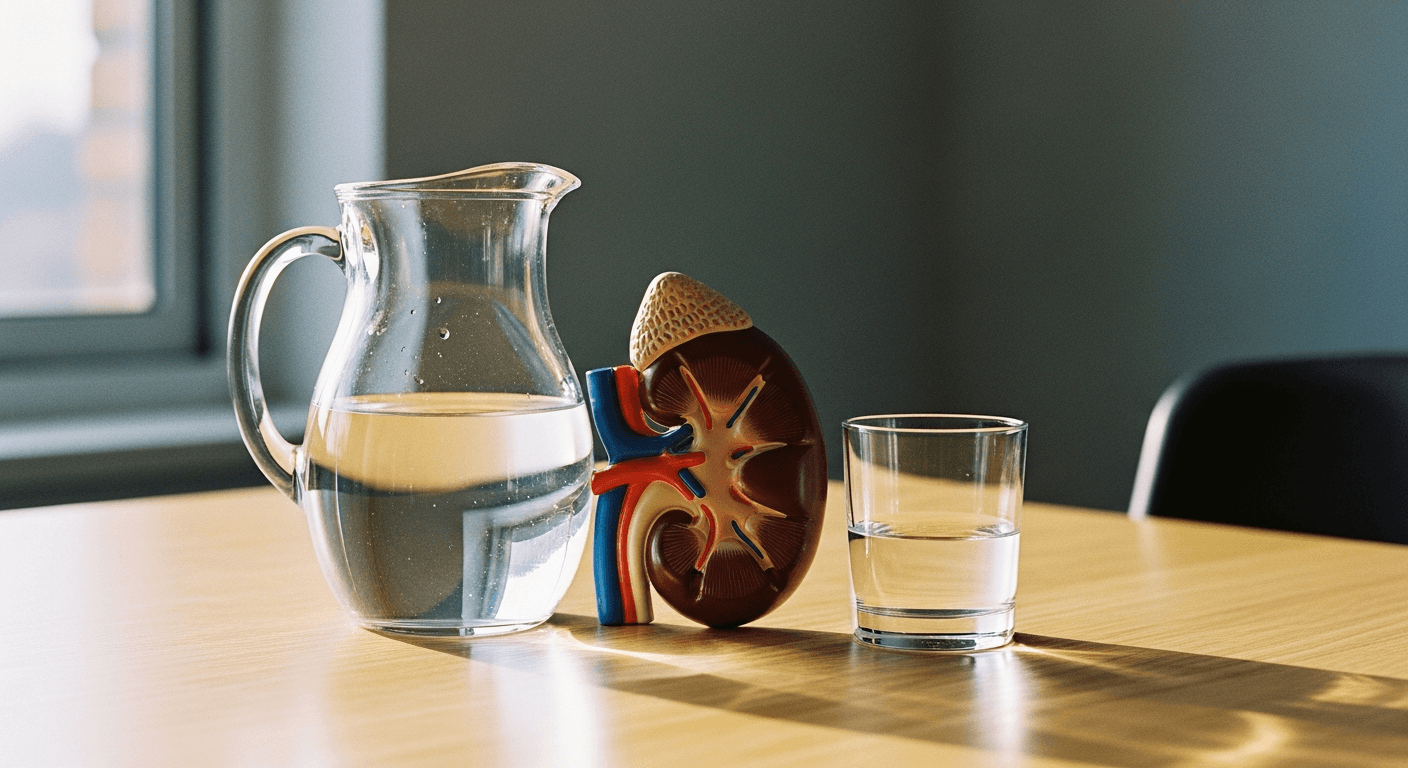
When we talk about tirzepatide and your kidneys, it's easy to jump to the wrong conclusion. Let’s clear the air right away. Tirzepatide doesn’t directly interact with or harm your kidneys.
Think of your kidneys as your body’s master filtration system, working nonstop to clean your blood and keep everything in balance. The medication isn't designed to meddle with that process. Instead, its job is to work on the hormonal signals that manage your blood sugar, hunger, and how you process food. The connection to your kidneys is more of an indirect, secondary story.
The Indirect Connection to Your Kidneys
So, how does tirzepatide actually work? It's a special kind of medication called a dual-agonist, which is a fancy way of saying it mimics two powerful, naturally occurring hormones: GLP-1 and GIP. By activating the same pathways these hormones use, tirzepatide accomplishes a few key things:
Sharpens Blood Sugar Control: It nudges your pancreas to release insulin right when your blood sugar spikes, helping to manage it more efficiently.
Slows Down Digestion: By keeping food in your stomach a bit longer, it helps you feel satisfied and full long after a meal.
Turns Down "Food Noise": It communicates with your brain to reduce hunger pangs and cravings, giving you more control over your appetite.
These effects are what make tirzepatide such a game-changer for type 2 diabetes and weight management. By improving these core health metrics, the medication actually helps protect your kidneys from the long-term damage caused by high blood sugar and excess weight.
But here’s where the potential for kidney trouble comes into play. The most common side effects are gastrointestinal—things like nausea, vomiting, and diarrhea. This is the real source of risk, not the drug itself.
Think of your body as a high-performance engine. It needs a constant supply of coolant (water) to run smoothly. If you spring a leak (from severe vomiting or diarrhea) and lose too much coolant, the engine can quickly overheat and sustain damage.
That's a pretty good parallel for what happens with Acute Kidney Injury (AKI). When you become dehydrated, your blood volume drops. This means less blood flows to your kidneys, forcing them to work under incredible strain, which can lead to temporary injury.
Why Hydration is Your Strongest Defense
This is why we talk so much about hydration. It’s not just a nice-to-have suggestion; it's your single most powerful tool for protecting your kidneys while taking tirzepatide. Your kidneys are designed to work with plenty of fluid, which allows them to easily flush out waste. When you're dehydrated, you're asking them to do a tough job under the worst possible conditions.
Understanding this mechanism helps shift your mindset. You don't have to fear the medication. Instead, you can empower yourself with a simple, proactive strategy: stay hydrated. If you start experiencing GI side effects, making sure you replace those lost fluids becomes your top priority. You can learn more about how we prioritize patient well-being by reading up on our approach to safety.
Being mindful of how much you drink, especially when you first start the medication or increase your dose, is everything. By staying well-hydrated, you give your kidneys the support they need to thrive, allowing the incredible benefits of tirzepatide—like better blood sugar and blood pressure—to take center stage. It’s a simple step that transforms a potential risk into just another manageable part of your journey to better health.
While it's exciting to focus on the positive ways tirzepatide can support long-term health, it’s just as important to have an honest conversation about potential risks. So, let's talk about tirzepatide side effects on the kidney. The main concern you might come across is a condition called Acute Kidney Injury (AKI).
But here’s the crucial context: this isn't a case of the medication directly harming your kidneys. Instead, AKI is almost always a secondary problem—a domino that falls because of severe dehydration. This can happen if the common GI side effects, like persistent vomiting or diarrhea, cause you to lose a significant amount of fluid.
When your body is low on fluids, your blood volume drops. This forces your kidneys to work overtime to filter waste from a much more concentrated blood supply. Imagine trying to run a car engine without enough oil; the friction and strain would be immense. Severe dehydration puts a similar strain on your kidneys, which can sometimes lead to temporary injury.
Putting the Risk into Perspective
The most important thing to know is that these kidney-related issues are not common. Both clinical trial data and real-world reports show that they happen infrequently. Because of this, our focus should be less on fear and more on smart prevention.
Knowing the early signs of dehydration is your best defense. This simple awareness can shift your mindset from worrying about kidney problems to proactively managing your health. By getting ahead of dehydration, you effectively shut down the main pathway to AKI while using tirzepatide.
What’s even more reassuring is seeing how tirzepatide performs in the real world compared to similar medications. Controlled trials are one thing, but how a drug works for everyday people with complex health histories is what really matters.
Recent pharmacovigilance reports have given us some powerful insights. In a comparative analysis, tirzepatide was linked to a much lower rate of acute kidney injury than semaglutide. In fact, reports of AKI were more than double for patients on semaglutide. You can explore the full findings of this study yourself, which highlight these meaningful differences in the safety profiles of the two medications.
Reported Kidney Side Effects and Prevention
To help you feel fully prepared, let’s simplify the potential issues, what causes them, and how you can stay one step ahead.
The table below gives you a clear, at-a-glance guide to protecting your kidney health.
Side Effect | Primary Cause | Main Prevention Strategy |
|---|---|---|
Acute Kidney Injury (AKI) | Severe dehydration from persistent vomiting or diarrhea. | Aggressive Hydration: Immediately increase fluid and electrolyte intake if you experience GI upset. |
Worsening of Chronic Kidney Disease (CKD) | This is very rare and typically only a risk if severe dehydration occurs in someone with pre-existing, advanced kidney disease. | Doctor Communication: Ensure your doctor knows your full kidney health history to create a safe monitoring plan. |
Changes in Creatinine Levels | Minor, temporary increases can occur due to mild dehydration. | Consistent Fluid Intake: Maintain steady hydration daily, not just when you feel thirsty, to support stable kidney function. |
Seeing it laid out like this really drives home the central point: the risk isn't some mysterious, unavoidable side effect of the medicine itself.
The real risk is unmanaged dehydration. By prioritizing fluid intake, especially when you feel unwell, you are actively protecting your kidneys and ensuring your treatment journey remains safe and successful.
This knowledge puts you in the driver's seat. It empowers you to enjoy the incredible benefits of tirzepatide while confidently managing the primary—and most preventable—risk factor. Your awareness and proactive habits are the true keys to long-term success and kidney health.
Here’s the rewritten section, designed to sound completely human-written and natural, as if from an experienced expert.
The Hidden Benefit: Tirzepatide’s Protective Effect on Your Kidneys
While it's smart to be aware of potential side effects, there’s another side to tirzepatide’s story that is genuinely inspiring. What if your medication could do more than just help you lose weight or manage blood sugar—what if it actively worked to protect one of your most vital organs? This is the hopeful reality we’re seeing with tirzepatide and kidney health.
Beyond the temporary kidney issues tied to dehydration, a growing mountain of evidence shows that tirzepatide often has a powerful renoprotective (kidney-protecting) effect. This isn't just a minor perk. For many people, especially those with type 2 diabetes, this represents a whole new way of thinking about their long-term health.
It shifts the focus from simply avoiding problems to actively building a healthier future, giving you a real sense of confidence on your journey.
How Does It Actually Protect Your Kidneys?
So, how does tirzepatide pull this off? It’s not just one thing; it’s a combination of effects that work together to ease the daily burden on your body’s sophisticated filtration system.
First, by helping you get a handle on blood sugar, blood pressure, and weight, tirzepatide tackles three of the biggest drivers of chronic kidney disease (CKD). Imagine your kidneys are a high-performance engine. Running them on poor fuel (high blood sugar) and pushing them too hard (high blood pressure) causes wear and tear. Tirzepatide helps tune up the entire system, allowing the engine to run smoothly and last longer.
But the story gets even better. Research now suggests tirzepatide might have a direct, positive impact on the kidneys themselves, completely separate from its other metabolic benefits. This could include dialing down inflammation and oxidative stress right inside the kidney tissue, both of which are major culprits behind kidney damage.
This is a huge deal. It means tirzepatide isn't just helping your kidneys indirectly by improving other health numbers; it may be working at a cellular level to make them more resilient and preserve their function.
Understanding Your Kidney Numbers
To really grasp the clinical proof, it helps to know two key terms your doctor uses to track kidney health: eGFR and albuminuria.
eGFR (estimated Glomerular Filtration Rate): You can think of this as your kidneys' "horsepower"—how well they filter waste out of your blood. A higher eGFR is better, and a steady decline is a classic sign of CKD.
Albuminuria: This is when a protein called albumin shows up in your urine. Healthy kidneys are like a super-fine filter, keeping important things like albumin in your blood. When the filter gets damaged, albumin starts to leak through. Finding it in your urine is a clear signal of kidney distress.
What’s so exciting is that studies show tirzepatide can dramatically slow the decline of eGFR and, even more impressively, reduce albuminuria. In other words, it’s helping maintain your kidneys' horsepower while also patching up the leaks in their filtration system.
The Proof Is in the Data
This protective power isn’t just a theory; it’s backed by major clinical trials. A landmark study called the SURPASS-4 trial gave us some of the most compelling evidence. The results showed that tirzepatide significantly cut the risk of developing macroalbuminuria—a severe form of protein leakage that points to serious kidney problems.
When compared directly to insulin, patients taking tirzepatide had an incredible 59% lower risk of this complication. Even more telling, while the insulin group saw their albuminuria get worse by 37%, the tirzepatide group actually saw a 7% reduction. As you can explore in the research findings, these kidney benefits seemed to happen whether or not patients had major weight loss or blood sugar changes, pointing to a direct protective effect.
This is more than just numbers on a page; it's a powerful message of hope. Knowing your treatment is also looking out for your long-term organ health is incredibly reassuring. As you move forward, learning more about how different medications work can be empowering. If you're curious, our guide on the role of GLP-1s and GIP in metabolic health is a great place to start. Tirzepatide’s ability to shield the kidneys gives us an inspiring look at a treatment that doesn't just manage symptoms—it helps fortify your body for years to come.
Your Action Plan for Kidney Safety on Tirzepatide
True confidence on your health journey comes from knowing what to do and when to do it. Taking charge of your health with tirzepatide is a powerful decision, and this is your guide to protecting your kidneys along the way. Instead of worrying about the “what ifs,” you can feel empowered by a proactive plan that puts you squarely in the driver's seat.
Think of it this way: your strategy for kidney safety rests on staying hydrated, knowing your body, and working hand-in-hand with your doctor. When you master these areas, you can navigate your treatment with confidence, turning potential concerns about tirzepatide side effects on the kidney into well-managed non-issues.
Smart Hydration: The Cornerstone of Kidney Protection
First things first: hydration is your number-one defense. As we've covered, the main kidney risk with tirzepatide isn't from the drug itself, but from the dehydration that can happen if you experience GI side effects like nausea or diarrhea.
Think of water as the lifeblood of your kidneys. When you're well-hydrated, everything runs smoothly. When you're not, your kidneys have to work overtime under serious strain. Being proactive with your fluids is the single best thing you can do.
Sip Consistently. Don’t wait until you’re parched. The goal is to keep a water bottle nearby and take small sips all day long to maintain a steady state of hydration.
Replenish After GI Upset. If you have a bout of vomiting or diarrhea, it’s absolutely critical to replace not just the water but also the electrolytes you've lost. Bone broth, low-sugar electrolyte drinks, or even water with a tiny pinch of salt can get you back in balance.
Listen to Your Body. Feeling dizzy? Mouth feel like sandpaper? Is your urine dark yellow? These are all clear signs your body is calling out for water. Answer that call right away.
Remember, proper fluid intake goes hand-in-hand with good nutrition. It's a crucial part of supporting your body, and you can learn more about essential nutrients for GLP-1 users to round out your wellness plan.
Symptom Awareness: What to Watch For
A big part of feeling in control is knowing which symptoms are minor and which ones need a professional opinion. When it comes to your kidneys, there are a few specific signs that should prompt you to pick up the phone.
This simple guide helps visualize the two paths your daily choices can lead to—one where you actively protect your kidneys, and one where they come under unnecessary stress.

As you can see, the right actions don't just avoid problems; they actively lead to kidney protection, turning a potential worry into a real success story.
Get in touch with your clinician right away if you notice any of these signs:
A significant drop in how often you're urinating
New or worsening swelling in your legs, ankles, or feet
Feeling unusually tired, weak, or confused
Nausea so severe that you can't keep any fluids down
These symptoms don’t automatically mean you have a kidney issue, but they are your body’s way of waving a red flag. The key is to act on it quickly.
Doctor Communication: Your Partnership for Success
Finally, the most important piece of your safety plan is your relationship with your doctor. Open and honest communication is what allows them to personalize your treatment and monitor you correctly.
Before you even start, your doctor will order baseline labs to get a snapshot of your kidney function. This typically involves a serum creatinine test, which is used to calculate your eGFR (estimated Glomerular Filtration Rate)—the gold standard for measuring how well your kidneys are filtering.
This isn't just a one-and-done test. You should expect to have your labs checked periodically, especially if you have a history of kidney issues or take other medications like diuretics or certain blood pressure drugs (ACE inhibitors/ARBs). This routine monitoring is simply a hallmark of great medical care and gives both you and your doctor peace of mind.
Be totally transparent about your health history and every single medication or supplement you take. This gives your physician the full picture they need to create the safest, most effective plan for you. As you start the medication and slowly increase your dose, staying in touch becomes even more important. If you need a refresher on that process, our guide on finding a safe and effective starting dose of tirzepatide is a great resource.
By staying on top of your hydration, knowing the warning signs, and working closely with your doctor, you become an active, confident partner in your own health. You’re not just taking a medication—you're executing a smart plan for a healthier future.
Your Questions About Tirzepatide and Kidneys, Answered
It’s completely normal to have questions when you start a new medication, especially about something as vital as your kidney health. We want you to feel confident and empowered on your journey, so we've gathered the most common questions our members ask.
Let's walk through the answers together, covering everything from pre-existing kidney conditions to recognizing warning signs and understanding the lab tests that keep you safe.
Can I Take Tirzepatide If I Already Have Chronic Kidney Disease?
This is one of the most common—and important—questions we hear. For many people with mild to moderate Chronic Kidney Disease (CKD), the answer is often a resounding "yes." In fact, tirzepatide's kidney-protective benefits can make it a powerful tool in your overall health plan.
Of course, this decision always comes down to a conversation with your doctor. They’ll look closely at your kidney function, mainly your eGFR (estimated Glomerular Filtration Rate), which is the best measure of how well your kidneys are filtering waste from your blood.
Here’s a general idea of how clinicians often approach it:
Mild to Moderate CKD: If your eGFR is above 30, tirzepatide is often considered safe and beneficial. Your doctor will simply tailor your dosing and monitoring plan to your specific needs.
Severe CKD or Dialysis: For those with severe kidney disease (an eGFR below 30) or anyone on dialysis, tirzepatide is typically not recommended.
The bottom line is that an open, honest talk with your clinician about your health history is the only way to build a plan that’s both safe and right for you.
What Early Warning Signs of a Kidney Problem Should I Watch For?
Knowing what to look for is one of the most empowering things you can do for your health. While serious kidney problems with tirzepatide are uncommon, being aware of the early signals allows you to act fast and stay ahead of any issues.
Get in touch with your doctor right away if you experience any of these symptoms:
You're urinating much less than usual, or you’re producing very little urine.
Your urine looks dark or has a "cola-colored" appearance, which can point to dehydration or other problems.
You notice new swelling (edema) in your legs, ankles, or feet that doesn’t seem to go away.
You’re dealing with persistent nausea or vomiting that makes it impossible to keep fluids down for a long stretch of time.
You feel unusually tired, weak, or confused, and it’s a clear change from your normal state.
It's crucial to remember that these signs don't automatically mean you have a kidney problem. However, they are your body’s way of signaling that something isn't right and needs to be checked out. Prompt communication with your doctor is the key to safe and successful treatment.
How Can I Best Protect My Kidneys From Dehydration?
Staying hydrated is your single most powerful defense against the main kidney-related risk with tirzepatide: dehydration. It’s a simple habit that provides incredible protection.
Think of it as giving your kidneys a steady stream of support to do their job. Here’s how you can stay on top of it:
Sip, Don't Gulp: Make a habit of sipping water throughout the day. By the time you feel thirsty, you're already on the path to dehydration.
Replenish and Rebalance: If you experience vomiting or diarrhea, your goal should be to replace not just water but also electrolytes. Broth, coconut water, or low-sugar sports drinks are great for this.
Watch Out for Diuretics: Alcohol and caffeine can both pull water out of your system. It's smart to limit them, especially if you're already feeling under the weather.
If you feel dizzy, your mouth is dry, or you see that your urine is dark yellow, that’s your body’s not-so-subtle hint to drink up. A simple hydration plan is one of the best things you can do for yourself.
Will I Need Special Blood Tests to Monitor My Kidneys?
Yes, and this is a completely standard part of good medical care that should give you peace of mind. Before you begin tirzepatide, your doctor will order a baseline blood test to get a clear picture of your kidney function.
This is usually a simple blood draw to check your serum creatinine level. That number is then used in a formula to calculate your eGFR, giving your doctor a precise snapshot of your kidney health from day one. This baseline is the reference point for all future tests.
From there, routine monitoring becomes part of your ongoing care plan.
Who Needs Monitoring: Anyone with a history of kidney issues, those on other medications that can impact the kidneys (like certain blood pressure drugs or diuretics), or people with other chronic conditions will likely have their labs checked more often.
How Often: A typical follow-up schedule might be every 3 to 6 months, but your clinician will personalize this timing based on your unique health profile.
This regular monitoring isn’t a cause for concern—it's a sign that your doctor is being diligent. It’s how we ensure tirzepatide continues to be a safe, effective part of your health plan for the long haul.
Ready to take the next step in your health journey with confidence? At 10 Rx Home, we connect you with board-certified physicians who create personalized plans and provide the guidance you need. Find out if our approach is right for you.